

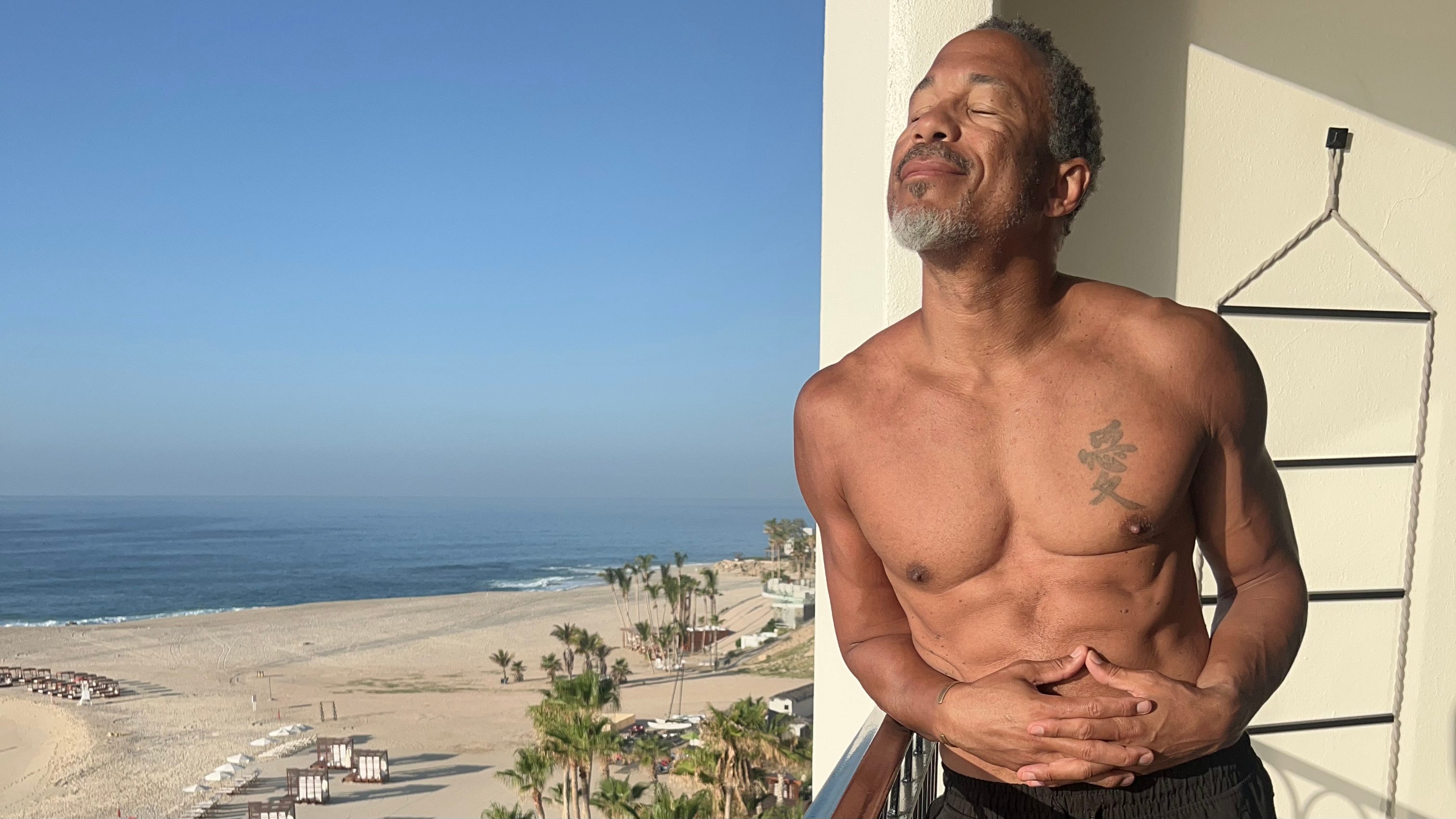
Wellness is multi-dimensional.
To truly thrive, we must integrate wellness across multiple areas of our lives. Each area, or dimension, is deeply interconnected, and when one is neglected, the others are affected. Achieving harmony across these areas allows us to live with greater purpose, joy, and resilience.
The Total Wellness framework is based on the 8 Dimensions of Wellness, originally developed by Dr. Peggy Swarbrick in the early 1990s. 🤝🫡Physical Wellness
What it is: How well our bodies support our daily responsibilities through energy, strength, mobility, rest, and recovery.
Why it matters: When physical wellness is low, fatigue, pain, ailments, poor sleep, and low stamina quietly make everything else harder.
Emotional Wellness
What it is: Emotional wellness is our ability to recognize, process, and regulate emotions in a healthy and constructive way.
Why it matters: Emotional unwellness often shows up as chronic stress, irritability, numbness, or emotional reactions that feel disproportionate or hard to control.
Mental (or Intellectual) Wellness
What it is: Mental and intellectual wellness reflects clarity of thought, focus, learning, and our ability to engage ideas without mental overload.
Why it matters: When this dimension is weak, distraction, mental fatigue, rumination, and difficulty concentrating undermine confidence and decision-making.
Spiritual Wellness
What it is: Spiritual wellness is the degree to which our life is grounded in meaning, values, faith, or a sense of purpose beyond ourselves.
Why it matters: Spiritual unwellness often feels like emptiness, drift, loss of direction, or living busy but disconnected from deeper meaning.
Social Wellness
What it is: Social wellness reflects the quality, depth, and supportiveness of our relationships and sense of belonging.
Why it matters: When social wellness is lacking, isolation, shallow connection, mistrust, or relational strain increase stress and reduce resilience.
Professional (or Vocational) Wellness
What it is: Professional wellness describes how aligned our work is with our strengths, values, growth, and sense of contribution.
Why it matters: Professional unwellness shows up as dissatisfaction, stagnation, burnout, or a feeling that work drains more than it gives.
Financial Wellness
What it is: Financial wellness reflects clarity, stability, and alignment in how we earn, manage, and relate to money.
Why it matters: Financial unwellness is marked by ongoing stress, avoidance, lack of control, or financial decisions driven by fear rather than intention.
Environmental (or Lifestyle) Wellness
What it is: Environmental wellness reflects how well our routines, systems, and surroundings support our priorities and energy.
Why it matters: When this area is weak, chaos, friction, disorganization, and poor routines make discipline feel harder than it should.
The Biblical Case for Total Wellness
God calls us to holistic well-being, not just spiritual salvation.
No matter how dedicated we are in spirit, it’s hard to show up as our best for the Kingdom when we can’t show up as our best for ourselves.
“Do you not know that your body is a temple of the Holy Spirit?”
— 1 Corinthians 6:19
→ Physical wellness matters. Caring for our bodies is an act of worship and stewardship, honoring the vessel God has given us.
“For God has not given us a spirit of fear, but of power, love, and self-control.”
— 2 Timothy 1:7
→ Mental and emotional wellness matter. A strong mind and a healthy emotional life enable us to walk in faith rather than fear and to make wise, God-led decisions.
“A generous person will prosper; whoever refreshes others will be refreshed.”
— Proverbs 11:25
→ Financial and social wellness matter. Stewarding our resources wisely and fostering meaningful relationships lead to abundance, not just for ourselves but for those we serve.
“A joyful heart is good medicine, but a crushed spirit dries up the bones.”
— Proverbs 17:22
Our spiritual, emotional, and physical health are not separate—they fuel one another.
Thriving in every dimension of wellness equips us to lead, serve, and fulfill our purpose, fully stepping into the calling God has placed on our lives.
What Happens When You Neglect Wellness?
Neglecting wellness has far-reaching consequences that affect every aspect of life. When one area is out of balance, it creates a domino effect that weakens our ability to function effectively and fulfill our calling.
Here are a few examples:
Ignoring your health leads to burnout. A lack of proper nutrition, exercise, and rest can drain your energy, making even simple tasks feel overwhelming. Chronic fatigue and illness become obstacles to productivity and purpose.
Suppressing emotions leads to anxiety and frustration. Unresolved emotions don’t disappear—they manifest in stress, irritability, and even physical symptoms. Emotional wellness is essential for maintaining inner peace and mental clarity.
Poor financial decisions create stress and limit impact. Financial instability can lead to worry, insecurity, and missed opportunities to bless others. Stewarding resources wisely is key to living a life of freedom and generosity.
Failing to invest in relationships leads to isolation. God designed us for community. When we neglect social connections, we miss out on encouragement, accountability, and the support we need to thrive.
You cannot fully walk in your purpose if you are physically drained, emotionally depleted, or spiritually disconnected. Every aspect of your wellness is interconnected—neglecting one area inevitably impacts the others. True fulfillment comes when we actively pursue balance and well-being in every dimension of life.
Commit to Your Wellness Journey
Total wellness is not about perfection—it’s about commitment. It’s about daily choices that align with who God created you to be.
The Total Wellness Pledge
Today, I choose to honor God with my whole self—mind, body, and spirit. I will care for my health, strengthen my faith, nurture my relationships, and steward my resources wisely. I will lead with purpose, walk in courage, and commit to continuous growth. I reject burnout, stagnation, and anything that keeps me from God’s best. I am created to thrive, and I will not settle for less.
Comment “PLEDGED” if you really mean it, and let’s get to work!
PLEDGED!